

RESOURCES
1. THE APOCALYPSE ALMANAC: fun, treatments, and cures. 2. GUIDE TO PEMFs: how to conquer pain and more. 3. FULLSCRIPT SUPPLEMENTS: top quality and economical.
Yoho comment: This is from the Curious Outlier’s Substack, which focuses mainly on his website, TheUniversalAntidote.com, and its information about chlorine dioxide.
RIC is supported by forty-six references cited in the original posts HERE and HERE. I keep a careful eye on Curious by subscribing to him, and you should too. When I saw this, I immediately broke out a blood pressure cuff and started experimenting.
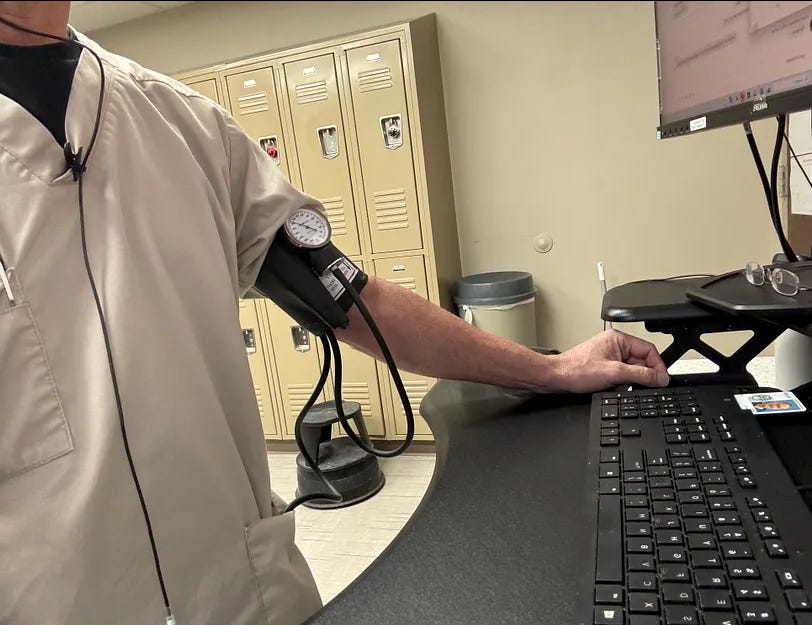
Remote ischemic conditioning delivers extraordinary benefits through controlled blood flow restriction. This technique boosts endurance, sharpens mental clarity, protects the heart, and accelerates recovery from stress without requiring exercise. A routine lasting minutes per day, using only a blood pressure cuff, triggers powerful biochemical adaptations that enhance wellness and performance.
Discovery and Mechanism
Remote ischemic conditioning emerged from research into oxidative therapies. The technique involves intermittent blood flow restriction to a limb using a blood pressure cuff. This brief, controlled stress awakens the body's natural adaptive defenses through a cascade of beneficial biochemical and genetic responses. Originally developed to protect the heart and brain during surgery, RIC now shows promise far beyond medical emergencies.
The process mimics interval training without physical strain. Blood flow restriction forces muscles to operate in low-oxygen environments, prompting adaptations that improve oxygen extraction and utilization. These benefits extend throughout the body via protective signals traveling through the bloodstream to distant organs.
Performance Enhancement
RIC delivers measurable improvements in athletic performance across all fitness levels. The technique increases VO₂ max, improves muscular power, and delays fatigue during high-intensity efforts. Multiple controlled trials demonstrate enhanced aerobic and anaerobic performance through regular RIC use.
Recovery benefits as well. RIC activates protective biological cascades that reduce inflammation markers like creatine kinase and interleukin-6, hastening muscle repair. This allows more frequent high-quality training sessions without risking overtraining or injury. Enhanced microvascular function increases capillary density and responsiveness, improving muscle oxygenation during exercise while reducing blood lactate accumulation.
Vascular Health and Cardiovascular Protection
The vascular system delivers oxygen and nutrients to every tissue. RIC maintains and restores healthy blood vessel function by triggering natural repair processes. Rather than treating problems after they occur, RIC provides preventive protection for long-term cardiovascular health.
RIC enhances endothelial function through consistent use. The endothelium lines vessel walls and controls expansion, contraction, and responses to blood flow changes. Regular RIC makes this inner lining more responsive and effective, improving blood flow regulation while reducing blood clot risk and preventing high blood pressure development. These protective effects occur in both diseased and healthy individuals.
Cardioprotective adaptation develops through consistent RIC use. The technique conditions the heart and blood vessels to withstand stress and injury, acting as soft armor against age-related issues like stiffening arteries and metabolic syndrome. RIC lowers inflammation markers, improves vessel flexibility, and protects heart muscle cells from damage. These benefits mirror cardiovascular exercise effects while requiring no physical exertion.
Whole-Body Defense and Multi-Organ Protection
RIC strengthens the body's defenses in healthy individuals through systemic preconditioning. Brief blood flow restriction signals the body to prepare for future stress challenges. This practice run enhances the vital organ's ability to handle situations with low oxygen or reduced blood supply. The technique switches on natural cellular protection systems, improves blood flow, and boosts antioxidant levels that reduce stress and aging damage.
Chemical messengers released during RIC travel to distant organs, including the heart, brain, liver, and kidneys. This process preconditions organs by providing rehearsals for severe stressors like surgery, dehydration, or injury. The body becomes more efficient at protecting cells, repairing damage, and maintaining function when confronting actual threats.
Antioxidant defense receives rapid enhancement through RIC. The technique stimulates production of natural antioxidant enzymes, including superoxide dismutase, catalase, and glutathione peroxidase. These enzymes neutralize free radicals before they damage cellular components. Single RIC sessions significantly increase antioxidant activity in vital organs within minutes. Regular practice creates consistent biochemical shields against daily hazards ranging from pollution to physical exertion.
Stress tolerance improves through adaptive training effects. RIC teaches body systems to cope better with stress through intermittent blood flow challenges. These training sessions improve cardiovascular and metabolic responses to low oxygen, high-energy demands, and inflammation. The result builds increased capacity to function effectively in normally straining situations while extending benefits to microcirculation for improved nutrient delivery.
Accessibility for Inactive or Chronically Ill Populations
RIC offers exceptional accessibility through its simplicity. Sessions require only a blood pressure cuff and can be performed while sitting, reclining, or working. This makes RIC ideal for elderly individuals, injury recovery patients, or those with chronic conditions limiting exercise capacity.
The technique provides stepping stones for people struggling with traditional fitness routines. Rehabilitation patients maintain or improve vascular and muscular responsiveness before resuming full activity. RIC stimulates protective systems and improves circulation, easing transitions back to active lifestyles. This creates valuable on-ramps for regaining fitness safely after illness or extended inactivity.
Scientific Mechanisms
RIC triggers survival signaling that promotes cell repair and protects against stress-induced death. These networks maintain cell function and resilience when oxygen and nutrient supplies face threats.
Blood vessels throughout the body release nitric oxide during RIC sessions. This powerful molecule widens arteries and improves circulation while reducing oxidative stress. The nitric oxide boost explains RIC's ability to improve blood pressure and vessel health, mimicking aerobic exercise benefits.
Biochemical messages stimulate antioxidant enzyme production, including superoxide dismutase and glutathione peroxidase. These enzymes neutralize harmful free radicals that damage DNA, proteins, and cell membranes. Enhanced antioxidant defenses provide better protection against daily wear and exercise stress.
Mitochondrial enhancement occurs with RIC. They work more efficiently, reducing cell death and improving energy production during stress periods. This allows organs like the heart and brain to function better and recover more rapidly after strain.
Evidence-Based Protocol
The standardized RIC protocol requires five cycles of five-minute blood flow restriction followed by five-minute recovery periods. Place a blood pressure cuff around the upper arm and inflate to 200 mmHg or 50 mmHg above systolic pressure. After five minutes, deflate completely for five minutes. Repeat this process daily for five total sets.
Sessions can be performed on either arm, alternating daily. Arms offer greater comfort than legs while providing similar outcomes in clinical studies. The protocol can be performed while working at a desk or during other sedentary activities.
Safety considerations include avoiding RIC with peripheral vascular disease, blood clot history, deep vein thrombosis, severe hypertension, or poor limb sensation. Alternate arms daily and monitor for severe pain, dizziness, or excessive skin petechiae. Children, frail elderly, or those with bleeding disorders require medical supervision for home use.
Practical Implementation
Manual or automatic blood pressure cuffs work equally well for RIC protocols. Check pressure gauges frequently, as manual cuffs may lose pressure during inflation periods. Maintain consistent session timing and stay well hydrated before and after protocols.
The technique functions as an exercise in a device, activating natural responses like increased nitric oxide production. RIC improves artery flexibility, reduces low-level inflammation, and provides cardiovascular protection for people unable to exercise regularly while offering extra protection for athletes and healthy individuals.
Conclusion
Remote ischemic conditioning is a practical, research-backed method for health enhancement. The technique harnesses natural adaptive abilities to provide wide-ranging benefits supporting everyday wellness for athletes and non-athletes alike. RIC offers lasting wellness, greater resilience, and faster healing through a potent yet safe method requiring no physical exertion.
This simple technique, once confined to research laboratories and hospitals, remains unknown among healthcare professionals. The method provides transformative, evidence-based health enhancement accessible to anyone interested in improved resilience and recovery. RIC highlights a grounded, scientifically credible approach to training smarter rather than harder.
Yoho comment
This works; the support for it is robust. Curious told me he is going to do it for the rest of his life, and since I just sit around and write, it is easy for me. I’m not going to give up my ridiculous adventures in the gym, however.


