Note: to make it easy for you to improve the health of your friends and family, each chapter of this post has a separate web address. Just click on the chapter name in the Table of Contents that you want to transmit, copy the URL at the top of your browser, and send it to your loved ones.

This post is dedicated to Scotty Marsland of the Lightening Bug Substack, who recommended the ARC Microtech microcurrent machine. I do not know how you can do such a fantastic job writing, working full-time, and battling your health problems. Everyone we meet is carrying a heavy burden.
The masthead interview is Ari Whitten of the Energy Blueprint podcast speaking to William Pawluk, MD. They did such a great job that I copied it for you. Like Christian Elliott, Ari is one of a crop of respected, self-trained, younger alternative health experts. I have been following both for several years. I wrote about Ari’s excellent red light book HERE and on his suggestion bought a $1500 Sauna Space light that I use daily. Use THIS link for a discount on that.
Ari calls his website “The world's most comprehensive lifestyle program and supplements for optimal health, performance, and energy levels.” We must forgive him the hyperbole, for he is a valuable contributor.
Table of Contents
1. Introduction
2. Pawluk’s “Fundamentals of PEMF” interview summary
3. Bryant Meyers says that lower-power PEMF machines are more effective than high-power ones.
4. A conversation with BEMER medical consultant Dr. Joshua Burka
5. An interview with Ian Thirkell, ARC Microtech’s owner
6. PEMF affiliate and network marketing create conflicts of interest
7. My doctor friends’ opinions about PEMF
8. Synthesis
9. How to buy one of these things for less and maybe make some money
10. Background references summarized: The Body Electric, The Invisible Rainbow, and The Pulsed Electromagnetic Field Therapy Book
11. Parting Shot: A list of conditions PEMF treats from the Table of Contents of Power Tools for Health
1. Introduction
Throughout my Rockefeller medical training, I was brainwashed to believe panaceas did not exist. Now, I get sick when I see powerful health and healing methods that were previously invisible to me. This post is about yet another concealed and probably suppressed treatment.
I had been circling the PEMF issue for months and purchased the ARC Microtech microcurrent machine. This is a related technology, and it costs about $500, a fraction of the cost of the others discussed here. It works through direct electrical stimulation rather than using electrical fields. Scott Marsland and Pierre Kory have successfully treated 300 patients with it for various conditions. The ARC relieved their pain, decreased their inflammation, and gave them all-day energy and a feeling of well-being. None of them reported adverse effects.
The device should be rotated between your ankles like a concealed firearm. I always have pepper spray, a Glock 26, and my Matriarch knife with me as well. However, my body tells me daily that my physical power is waning and that these are simply props to feed my vivid imagination. I get to bed early and avoid bar fights, so the ARC is a better ankle carry than a weapon.
Scan what my ten experts said if you are considering buying a PEMF. I reference their work, present my conclusions, and warn you about aggressive marketing schemes and other potential issues.
When I started studying this subject, I had three questions:
Is this technology effective enough to justify the time and expense?
How much does a good one cost?
Are high-power ones better than low-power ones?
What is the best choice?
The answer to 1) is a resounding YES if you pick the right device. Regarding 2), the prices for PEMFs with proven records range up to $30,000. You can spend a lot for something that is no more effective than a cheaper one.
Family physician William Pawluk claimed in the interviews below that high-power units are the most effective. However, Bryant Meyers, a former physics professor and respected PEMF commentator with decades of experience, disagrees. He says that Pawluk does not understand PEMF physics and that his claim that higher power works better is “the biggest lie in PEMF.” He also reports that Dr. Pawluk has been confronted with the truth and knows he is wrong. See Chapter 3.
The cheap Chinese knockoffs are the worst—they are garbage sold by criminals.
Here are my choices for the best-buy devices out of the many dozens:
The ARC Microtech microcurrent machine ($500) is something to consider if you cannot afford a PEMF. It is a battery-operated, portable model. Using it many hours a day aids health. recovery, and relieves pain. Do not be fooled by its small size and low price—it is powerful.
The BEMER ($ 6,000, one Gauss) may be the best-respected larger model, and it has extensive research backing that can be downloaded at the end of Chapter 4. It comes with a full-body mat and should be used for a minimum of eight minutes twice daily. It produces feel-good qualities and helps alleviate a range of problems, including pain, poor sleep, fatigue, and “brain fog.” Plus, it heals injuries. See the next chapter to learn about many more devices.
The BEMER and the ARC are good-value, quality products. I became an affiliate for each to offer you discounts and potentially earn something from my 100-hour effort in compiling this 15,000-word post. My commissions are painless for you because the manufacturers pay them from their share. In Chapter Six, “PEMF Affiliate and Network Marketing Create Conflicts of Interest,” I explain the benefits and drawbacks of this sales method.
To put it kindly, using the verbiage of the CIA, there is misinformation floating around PEMFs. The reason for this lengthy post is to sort it out and help you form your own judgments.
For example, some of these authors recommend their devices for use to treat Parkinson’s. But my brilliant contributor Pam Holloway wrote this: “PEMF done GENTLY can be helpful. Most push for too high too fast.” My conclusion after my research and experience is that if you decide to treat Parkinson’s with this modality, the gentle BEMER is your best option.
Spoiler: I had a debilitating shingles attack when I overdid my ARC usage; see the end of that section. Although I am never accused of being a sensitive guy, we Parkinson’s patients are delicate animals...
Executive summary
More than 10,000 studies and 2,000 double-blind, randomized controlled trials have proven that PEMF helps humans.
Clinical experience with the ARC is extensive, and the BEMER has the most research backing and a top reputation.
I summarized Dr. Pawluk’s fascinating interview in Chapter Two. He is almost 90, brilliantly alert, and has likely extended his life by using this technology.
2. Pawluk’s “Fundamentals of PEMF” interview with Ari Whitten
Yoho note: This is excellent, except that Pawluk’s favorite devices are ultra-high-power, which can be uncomfortable, less effective, and possibly hazardous. See Chapter Three for more about this. Here is Dr. Pawluk:
Today, I will speak about pulsed electromagnetic fields, or PEMFs, and their remarkable therapeutic potential. My books linked below demonstrate how magnetic fields can improve 50 different health conditions. They treat a wide range of conditions, including pain, arthritis, autoimmune diseases, and inflammation-related issues. Injuries respond particularly well - cuts and broken bones heal in half the time.
Bone repair is one of the most studied and validated benefits of PEMFs. Osteoporosis is a good example. While it's challenging to recover bone once it's lost, beginning magnetic field therapy will halt the further progression of the disease.
Pulsed magnetic fields are produced by electrical current flowing through a wire. This creates a magnetic field perpendicular to the current flow, which is called the right-hand rule. The magnetic field wraps around the wire in a closed loop. Every time the current pulses, the magnetic field opens and closes.
Radio signals or microwaves in the atmosphere are different. They broadcast outward like waves in a pond. Tesla was among the first to discover that by manipulating a wire carrying current - opening up a loop and bringing it back - you could create an active magnetic field that wasn't canceled by opposing currents.
The magnetic field pulses in and out of the body. The body is entirely transparent to a magnetic field. But the field exists in the body. In other words, it ignores life forms, passing through without impediment, whether it's a human body, an insect, or a tree. Metal, however, can deflect or twist a magnetic field.
To contrast this with other forms of energy, ultraviolet radiation stops at our skin. It is absorbed superficially without penetrating deeper. Microwaves also get absorbed and create heat in the body. But magnetic fields pass through like wind through a tree. They don't stop or stay in the tissue - they pass through, and as they do, they create effects.
Therapeutic pulsed magnetic fields are intended to activate healing processes. They are extremely low-frequency compared to MRIs, which use high-intensity magnetic fields in the 10,000-20,000 Gauss range. Most therapeutic magnetic fields are much lower intensity, like a gentle breeze through the trees.
As these fields pass through the body, they create a charge through a principle called Faraday's law. Anything in the body that has a charge associated with it will be influenced by the magnetic field - ions, electrolytes, nerves, and anything conducting charges in the body. Everything from the cellular level to the molecular level is activated. The body is transparent to magnetic fields, but it is affected as the field passes through, whether it's going through an eye, brain, fist, shoulder, heart, lung, or abdomen.
This action initiates balancing processes in the body. Healthy cells and tissues tend to ignore the magnetic field—they might register it as a slight tickle but nothing more. However, damaged cells can benefit greatly. Cells become damaged when they can't finish rebalancing after being subjected to stress. The magnetic field gives these cells more energy to achieve balance again.
Mechanisms and Benefits of PEMF Therapy
In my research and writing, I've outlined 25 different actions of magnetic fields, and since publishing, I've discovered three more. One crucial mechanism involves the adenosine receptor, which relates to ATP, the body's energy production. The miracle of PEMFs is that they cause ATP to be produced. But ATP is just potential energy—it must be hydrolyzed by removing one of the hydroxyl groups to release energy. PEMFs work on this cycle, causing it to repeat continuously, recycling energy in the body.
The endocannabinoid system is another area affected by PEMFs. Every cell in the body has endocannabinoid receptors, particularly in the nervous system. The only species without an endocannabinoid system are insects. This system is crucial for memory, thought processing, and general energy. Magnetic fields interact with this essential system.
Key mechanisms discovered in the 1970s through research in Eastern Europe showed that magnetic fields cause vasodilation, open up blood vessels, and relax muscles. They stimulate ATP production and stem cells, supporting tissue regeneration. This is why wounds typically heal in half the time with PEMF therapy.
PEMFs help by removing inflammation and swelling, bringing in nutrients, and improving circulation. I don't decide what the PEMF will do in your body, and you don't either - your body determines what it needs. This may include improved circulation, reduced inflammation, or increased oxygen supply.
PEMFs reduce Rouleaux formation, the clumping of blood cells that prevent them from carrying adequate oxygen or delivering it into the capillaries. PEMFs increase oxygen supply through circulation improvements and effects on red blood cells.
Frequency-based magnetic fields pass right through the brain, affecting it like sound affects mood. The difference is that while sound enters through your ear and affects the nervous system, magnetic fields affect brain function and repair the brain by improving circulation and initiating all the healing mechanisms that magnetic fields produce.
The range of health conditions that respond to PEMF therapy is extensive—from pain and arthritis to autoimmune diseases and injuries. Any condition with inflammation can benefit from it. One of the most researched applications is bone repair. Osteoporosis patients can halt the progression of bone loss with magnetic field therapy, though recovering bone that's already been lost remains difficult.
Cancer is another area where magnetic fields can help, though research is still developing. While we can't say magnetic fields cure cancer, they can help control it. For example, they influence cancer stem cells, which reactivate to form metastases. By decreasing inflammation in the body, magnetic fields can reduce the activation of these stem cells.
Bladder problems, prostate issues, eye problems, and brain conditions all respond to PEMF therapy. I conducted a study on concussion and brain injury using relatively low-intensity magnetic fields, and we saw significant benefits in patients' function and symptoms. Though the study wasn't designed to prove healing of the concussion itself, it showed clear improvements in function.
Other conditions that respond well include Parkinson's disease (Yoho comment: others disagree; more later), multiple sclerosis, and any inflammatory degenerative disorder of the brain. Sleep is another area where PEMFs excel. Through a process called entrainment, magnetic fields can safely slow down brainwaves, helping to control sleep, mood, anxiety, and even addictions. The benefits are involuntary but safe, without the side effects of drugs.
Unlike drugs or nutritional molecules, which can saturate receptor sites and create resistance to treatment, the body doesn't develop resistance to magnetic fields. This makes them ideal for ongoing therapy.
PEMFs and Natural Electromagnetic Processes in the Body
Understanding the natural basis of magnetic field therapy requires recognizing that the body is fundamentally an electromagnetic apparatus. Nothing happens without a magnetic exchange. If there's a charge, there's magnetism, and vice versa - they go hand in glove, which is why it's called electromagnetic.
Even a red blood cell flowing through a blood vessel interacts with other ions in that vessel and produces magnetic fields as it passes through. These magnetic fields control boundaries between cells and molecules. When sodium and chloride combine to make salt, the magnetic field interaction between these molecules allows this to occur. The magnetic field controls these processes.
From an evolutionary perspective, physics preceded chemistry in the universe. Our tissues are made of molecules, but what controls those molecules and their functions, movements, and interactions? Magnetic fields. At a basic cellular level and intercellular level, magnetic fields control everything.
We live on a planet that's essentially a big magnet. The radiation hitting the Earth triggers and activates a charge in the body, affecting our magnetic fields. Cellular processes start to break down if we remove ourselves from the Earth's magnetic field (the magnetosphere).
Experiments conducted in Germany demonstrated this. Volunteers were isolated in bunkers and completely removed from light, sound, heat, and barometric pressure changes. They were essentially in Faraday cages that prevented magnetic field exposure. Over time, their circadian rhythms became dysregulated. When researchers started reintroducing frequencies into these chambers, they discovered that 10 hertz (cycles per second) restored circadian rhythms. Ten hertz is the planet's fundamental magnetic frequency.
NASA also discovered the importance of magnetic fields when growing stem cell cultures in space capsules orbiting Earth. They found that when the cultures passed through the polar regions (North or South), there was a significant increase in stem cell growth. This happened because the magnetic fields at the poles are much stronger, with field lines concentrated together. Based on the German studies, NASA conducted an experiment using 10 Hertz magnetic fields and found approximately a fourfold increase in stem cell growth.
One of the first approved uses of PEMFs is for fractures that won't heal despite conventional treatment. Surgeons tried various approaches for these, primarily surgical interventions, but often failed. The key issue was: Why did the fracture happen in the first place? Whatever caused the initial problem remained present, so surgeries frequently failed.
When magnetic field therapy was discovered at NYU and applied to these fractures, they began to heal, even when the bones weren't correctly aligned. The magnetic fields stimulated stem cell production, reduced inflammation, improved circulation, and triggered numerous other healing factors.
When we walk, we put stress on our bones, creating what's called a “piezoelectric field.” All our tissues have crystalline structures, and every cell has a crystal matrix. Our connective tissue contains microtubules, nanowire structures that rapidly conduct charge and electricity. Magnetic fields interact with these structures, and the structures interact with magnetic fields. We are electromagnetic beings at a fundamental level.
We produce our magnetic fields, but sometimes, healing processes stall due to inadequate nutrition or charge. Once you introduce more charge to an area, such as a fractured bone, the fracture "wakes up.” Stem cells activate, circulation improves, and all the processes that magnetic fields stimulate work better. A nonunion can heal without surgery within six months to a year, depending on the fracture and the individual. Magnetic therapy might be required for 8-12 hours daily during this period, but considering the alternative—possible amputation—it's a reasonable approach.
There are natural sources of magnetic fields and frequencies that our bodies are wired to respond to, and PEMF devices are designed to mimic certain of these frequencies. I recently completed an ebook on magnetic fields as energy medicine, examining practices like qigong, acupuncture, and other energy medicine modalities. Magnetic fields are a basic modality within our bodies and the universe that we sense and use for healing, though they're often subtle and weak.
In ancient times, people connected with the Earth's magnetic field by walking barefoot or lying on the Earth while sweating. The electrolytes in perspiration would interact with soil minerals, creating a charge in the body that activates healing processes. A copper bracelet on the wrist produces a charge that activates acupuncture points and meridians, stimulating magnetic events in the body that promote healing.
Today, PEMF technology can enhance these natural processes with greater precision and predictability. We're learning how different fields affect the body and how to optimize treatment duration and intensity to produce needed effects. We understand technology better, allowing us to heal better and faster than ever.
Comparing Different PEMF Devices and Applications
Numerous PEMF devices are available, from simple low-intensity systems to sophisticated high-intensity machines. The FlexPulse, which I helped design, has 10 programs with different frequencies for various applications. One key program uses a 3 Hertz frequency, which I place under my pillow every night for sleep.
Though sleep cycles naturally move through different frequencies throughout the night, the brain ultimately decides what it wants to do. Neurofeedback training gives it a consistent low-frequency "metronome" that allows it to self-regulate. At 3 Hertz, the brain can't ignore the signal, and hyperactive areas begin slowing down to match this frequency, corresponding to deep sleep.
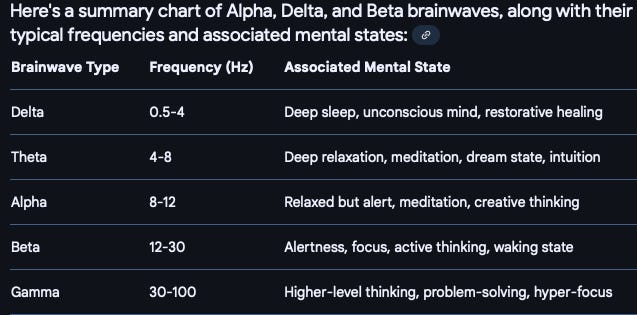
We need deep sleep for restoration, typically lasting 60-90 minutes per night. While most people don't have trouble falling asleep, many struggle with staying asleep. You're in a high “theta state” when you're aware of being awake or aware of your dreams at night. This is between wakefulness and sleep and occurs when brainwaves fall within the 3.5 to 7.5 Hz frequency range. A three-hertz signal supplied by a PEMF coaxes brainwaves down to lower levels, preventing drift into higher, more awake states.
This applies to other sleep disturbances, too. If you have knee pain, ankle pain, arthritis, back problems, or anxiety, the delta frequency quiets everything down. Delta refers to brainwave activity between 0.5 and 4 hertz. These are associated with deep, restorative sleep, particularly in stages 3 and 4 of non-REM sleep. Rather than using multiple frequencies and presuming to know what the brain should do, I use delta and let the brain decide how to respond. I don't think we know enough to dictate to the brain what frequencies it needs at which moments.
I routinely hear from people using PEMFs for the first time that they feel more relaxed and pleasant. A sensation of congeniality is especially common with PEMF treatment directly to the head with frequencies at 10 Hz or below.
When it comes to static magnetic fields versus pulsed electromagnetic fields, I started my work with static magnets but quickly discovered their limitations. Static magnets can help with superficial problems like tennis elbow or carpal tunnel syndrome. These are challenging to use effectively because they must be fixed in place and worn for extended periods. They're not practical for treating deeper tissues or systemic conditions.
Magnetic mattress pads with static magnets present another challenge - your position relative to the magnets changes as you move during sleep. The therapeutic effect is inconsistent since magnetic fields drop off rapidly following the inverse square law. I've found that pulsed magnetic fields significantly outperform static magnets for most applications.
I use static magnets occasionally and wear a magnetic necklace to stimulate acupuncture points and meridians around my neck, which helps stabilize these energy pathways. I sometimes use magnetic shoe inserts as well. But for serious conditions like severe arthritis, head injuries, mold exposures, autoimmune diseases, widespread inflammation, or cardiovascular disease, static magnets are inadequate.
People want quick results, and high-intensity magnetic fields can be effective and produce fast results. However, the user must be skilled and knowledgeable about proper application techniques.
A challenge in the PEMF field is that practitioners often have limited knowledge and become fixated on one approach. If your only tool is a hammer, you see every problem as a nail. Over the years, I've tested numerous devices and only recommend those I've personally used and verified. Through consultations, especially with people with significant health issues, I help them select the right equipment and understand how to use it properly, considering physiology, anatomy, pathology, and how the body heals. This approach leads to better results and greater patient compliance.
While other modalities like laser, ultrasound, infrared, red light, and ozone have value, I've found that magnetic field therapy accomplishes much more for the money spent. You can visit a practitioner's office for treatments that may be appropriate for acute problems that will resolve quickly, such as post-surgical wound healing. But for chronic conditions like spinal stenosis or bone-on-bone joint degeneration, daily magnetic field therapy (once or twice daily) may be necessary indefinitely.
For anti-aging purposes, I recommend treatment twice daily - in the morning to clear the "cobwebs" from the night before and in the evening to address the stress accumulated during the day. Evening treatment helps rebalance stresses. You'll need even more time with magnetic fields if you have additional health issues.
Many PEMF users report dramatic results. For example, someone who had hip replacement surgery might use the FlexPulse all day after surgery and experience minimal pain, requiring only two doses of painkillers before becoming virtually pain-free within days. This is remarkable but not unexpected, given the device's capabilities when used consistently.
As I wrote in Power Tools for Health, adverse reactions are rare:
Possible electromagnetic hypersensitivity reactions include increased fatigue, aggravations of sleep, increased pain, vague weakness or loss of energy, metallic tastes, dizziness, brain fog, thirst, increased urination, warmth or cold sensations, prickly sensations in the skin, colors in the visual fields, heaviness of the extremities, and palpitations. Mostly, people who experience these reactions are thought to have systemic blood pressure control problems, autonomic instability, or neurotoxicity due to chronic infections, chemical sensitivity, or environmental toxicities. Many have chronic regional pain syndromes (RLS), fibromyalgia, or chronic fatigue syndrome. The degree of the sensitivity reactions will determine the approach to take when adjusting the magnetic therapy. In these hypersensitivity situations, PEMF therapy must be used low and slow…
PEMFs should not be used with cardiac pacers, defibrillators, or other implantable electrical devices. Some issues have been reported with implanted metals, such as artificial joints, but generally, no significant interaction occurs. The companies recommend against use in pregnancy or for severe illness or bleeding.
When choosing PEMF devices, the first consideration is whether you need local, regional, or whole-body treatment. My book Supercharge Your Health with PEMFs outlines the most appropriate devices for 80 health conditions. The FlexPulse, at $1,290, is relatively inexpensive compared to high-end devices costing $20,000-$35,000; generally, higher cost correlates with higher intensity.
At around 10 Gauss, the Bio Balance system works well for basic health maintenance by stimulating acupuncture points and meridians throughout the body. For more serious conditions like severe arthritis or performance athletes with multiple injuries, higher intensity devices like the Multi-Flash (4,000 Gauss, $5,600), Premium Flash (7,000 Gauss), or Ultra Flash (8,000 Gauss, $8,300) might be more appropriate. Like costly high-intensity machines, the Ultra Flash can cause muscle contractions.
Some popular PEMF devices, such as the BEMER, IMRS, QRS, Medithera, and others, provide less than one Gauss of intensity. While stimulating the acupuncture system and releasing endorphins and enkephalins might make people feel better, they may not offer sufficient intensity for healing specific problems. Yoho note: Pawluk’s recommended units are not optimal, but the ones above are excellent. Read the next chapter to learn why.
The advantage of portable devices like the FlexPulse is that they aren't tied to a power outlet, allowing for treatment while moving around. Many people combine a whole-body system like the Multi-Flash with a portable device for targeted therapy of specific areas.
For certain conditions, intensity is critical. Research on adenosine receptors, which are involved in inflammation throughout the body, indicates that 15 gauss* is optimal for activating these receptors. However, the magnetic field strength drops rapidly with distance from the source. If you need 15 gauss at the skin surface on your wrist, you'll need a much stronger field to reach the same intensity in deeper tissues like the heart or brain. A device that produces 4,000 gauss at the source might deliver 15 gauss at a depth of four inches.
*The gauss is a unit of measurement of magnetic power, also known as magnetic flux density.
The "low and slow" principle is essential when beginning PEMF therapy. Starting with lower intensity and gradually increasing helps condition tissues to begin the repair process. Magnetic fields cause immediate physiological reactions, but if you don't address the root causes of a problem, temporary relief won't lead to lasting healing. PEMF therapy is like athletic training - you don't get off the couch and run a marathon immediately. You train gradually, pushing and backing off as your body indicates what it can withstand.
This gradual approach is essential for chronic fatigue patients. These individuals don't have the reserves to handle additional stimuli or stress, so the process must start gently. The goal is to gradually decrease inflammation until the person can tolerate higher intensities without adverse reactions for extended periods. It is like reaching a peak in athletic training, which may take some time. Magnetic fields that pulse rather than using complex frequency patterns often produce better results faster by not overwhelming the nervous system.
Magnetic field therapy addresses both symptoms and underlying causes. When given the proper support, the body has a remarkable capacity for self-regulation and healing. PEMFs do this by working with the body's inherent electromagnetic nature.
The Future
Research on PEMF therapy continues to expand, and much current work focuses on high-intensity transcranial magnetic stimulation (TMS or rTMS) for conditions like chronic pain. When treating pain, it's crucial to address both the local site of pain and the brain, for the brain becomes part of the pain process in chronic cases. An example is allodynia, where the brain misinterprets gentle stimuli as pain signals.
Chronic fatigue often involves mitochondrial dysfunction. It affects the whole body but particularly impacts organs with high energy demands, such as the brain, heart, and muscles. We produce our body weight in ATP daily; each molecule recycles 200-500 times. Supporting this energy cycle is crucial. Magnetic field therapy can help, but the effects may be temporary if underlying causes like chronic inflammation or autoimmune conditions are not addressed.
A comprehensive approach is necessary for chronic fatigue patients and others with complex conditions. The evidence supporting PEMF therapy is substantial, with hundreds of references in scientific literature demonstrating its effectiveness for numerous conditions. As research continues and technology improves, PEMF therapy will likely become an increasingly important tool in conventional and integrative medicine.
The most promising aspect of PEMF therapy is its fundamental compatibility with the body's natural processes. By working with rather than against the body's electromagnetic nature, PEMFs offer a powerful and gentle healing approach. They can address conditions at their root while supporting the body's intrinsic healing capabilities.
References
Visit William Pawluk, MD’s website. He is an international expert on the clinical application of PEMF therapies and offers many resources, including instructional videos.
Dr. Pawluk’s books are excellent, except for their claim that high-power devices work best.
Power Tools for Health: How pulsed magnetic fields (PEMFs) help you (2017)
Here is Dr. Pawluk’s consultation with me about my Parkinson’s. Since he is wrong about the machines he recommends, I include it only as a PDF:

3. According to Bryant Meyers, lower-power PEMF machines are more safe and effective than high-power ones.
Yoho: I was unsure about this issue until I discovered Mr. Meyers, a geeky physics expert. He wrote PEMF, The Fifth Element of Health (2014). It has over 750 five-star Amazon reviews. From the author’s biography:
Meyers is a former Physics/Math Professor at Central Michigan University. For over 25 years, he has researched, tested, tried, and investigated over $1,000,000 worth of energy medicine devices, studying with many of the world's experts. He has personally helped thousands of people with energy medicine and PEMF therapy devices to achieve pain relief, better sleep, and overall better health.
As I reviewed his videos below and his book cited above, I became confident that higher-power PEMF machines do not work better, are possibly risky, and are often uncomfortable. Mr. Meyers stated that Dr. Pawluk has been confronted about this and has no answer. Pawluk is a doctor, not an engineer.
I do not fully understand the science Meyers describes, but after working nearly 100 hours on this project, I believe him. A summary of two of his videos follows. If you have doubts after reading that, watch all his videos below. The links are HERE, HERE, HERE, HERE, and HERE.
Fundamentals of PEMF Technology: A Summary of Two Meyers Lectures
Welcome to my comprehensive lecture on Pulsed Electromagnetic Field (PEMF) therapy. I'm excited to share my extensive knowledge about this remarkable technology that has helped countless people over the years. Today, I'll guide you through everything you need to know about selecting an effective PEMF device, focusing on the technical aspects that truly matter rather than marketing hype.
PEMF therapy functions essentially as a whole-body battery charger. It works through wireless energy transfer into your body's cells, tissues, and organs, helping to recharge depleted cellular voltage. This is crucial because sick or weak cells typically have low voltage. By understanding the physics and biology behind PEMF, we can make informed decisions about which devices actually work and which are simply dressed up in pseudoscientific claims.
Let me begin by creating a helpful metaphor: think of a PEMF system like a stereo. The control unit and coils represent the stereo and speakers (the "setup"), while the signal is the music. Both components are essential - you need good hardware to deliver the signal effectively, but the signal itself is what ultimately creates the healing effects.
The most effective PEMF devices combine full-body treatment with targeted local applicators. Starting with a full-body session helps improve overall microcirculation, getting blood flowing and lymph moving throughout your system. Following this with focused treatment on specific areas of concern produces optimal results. This two-stage approach ensures both systemic and localized benefits.
Coil Design and Magnetic Field Quality
One of the most critical factors in PEMF effectiveness is coil design. The best coils are tightly wound and perfectly circular, similar to the Qi coils used in wireless phone charging. This design creates a pure magnetic field at the center of the coil and maximizes energy transfer efficiency.
The size of the coil matters significantly. Larger coils provide greater magnetic flux, determining how deeply and broadly the field penetrates tissue. Small coils like those found in some inexpensive devices create only a tiny "dimple" of energy that barely penetrates the surface. Ideally, a full-body mat should contain several appropriately sized coils to distribute energy evenly across the entire body.
Examples of systems with good coil design include the IMRS, Omnium, and BEMER. Conversely, some systems use problematic designs like widely spaced windings or coils that are too large (creating uneven energy distribution) or too small (providing inadequate coverage and penetration).
The Intensity Debate: Debunking Common Misconceptions
One of the most persistent myths in the PEMF industry concerns magnetic field intensity. Some prominent experts claim higher intensity is always better, but this position is based on fundamentally flawed physics.
We need to examine the actual physics to understand why this is incorrect. The Biot-Savart law (an equation describing the magnetic field generated by a constant electric current), not the inverse square law, is the correct equation for calculating magnetic field intensity from a coil. Using the proper equation reveals that low-intensity systems still provide more than adequate field strength at tissue depth. When I calculated the actual field drop-off using the correct Biot-Savart law and compared it with measured values, the error was only about 4%. In contrast, calculations based on the inverse square law showed an enormous 8,276% error!
This means you don't need extremely high-intensity devices to achieve therapeutic effects at depth. A review of over 3,200 PEMF studies showed that only 3-4% used intensities greater than 100 millitesla, and even fewer used Tesla-level intensities. The research doesn't support the high-intensity approach.
Instead of focusing solely on intensity, we should consider the complete picture of what makes PEMF effective. The perfect intensity is like listening to classical music at just the right volume - not so quiet you can't hear it, but not blasting at uncomfortable levels.
Signal Quality: The True Heart of PEMF Therapy
The signal is truly the lifeblood of any PEMF system - the "music" your cells respond to. There are four critical components to an effective PEMF signal:
Faraday Induction (Slew Rate): This represents how quickly the magnetic field changes, determining how effectively it induces healing microcurrents in your tissues. A faster change creates more substantial induction effects. To visualize this, think about swiping a credit card - a faster swipe generates a stronger signal in the card reader. Similarly, a PEMF signal with a rapid rise and fall time creates a greater therapeutic effect through enhanced Faraday induction.
The slew rate is measured in Teslas per second, and research indicates an effective therapeutic range of approximately 5-30 Tesla per second. Too little slew rate (under 5 T/s) produces insufficient induction, while extremely high rates (thousands of T/s) may be counterproductive. This follows a biphasic dose-response curve similar to other therapies like red light, where both too little and too much reduce effectiveness.
Repetition Rate refers to how many pulses occur per second, typically measured in Hertz (Hz). The repetition rate should align with our natural brainwave patterns and circadian rhythms. Beta frequencies (13-23 Hz) promote alertness for morning use. In the evening, alpha frequencies (around 10 Hz) induce relaxation, while theta/delta frequencies (3 Hz or lower) are ideal before bedtime. Surprisingly, many PEMF companies get this completely backward, recommending high frequencies at night and low frequencies in the morning!
Resonant Frequencies: Different tissues in the body respond to different frequencies. Nerves, muscles, bones, and other structures have unique resonant frequencies. An effective PEMF signal should provide a broad spectrum of frequencies (like a good multivitamin) rather than just one frequency. This comprehensive approach ensures all tissues receive appropriate stimulation.
James Oschman's excellent book on energy medicine shows that various tissues respond to frequencies in the 0-300 Hz range. The most biologically active frequencies for most tissues fall between 0-50 Hz, aligning with the Earth's natural Schumann resonance frequencies.
Signal Complexity and Variation: Complex signals with variation prevent the body from habituating to the therapy. As varied exercise produces better fitness results than repetitive movement, PEMF signals should incorporate complexity through polarity reversal and signal variation.
Dr. Pawluk's Misconceptions: Setting the Record Straight
I must address some serious inaccuracies promoted by Dr. William Pawluk, a prominent voice in the PEMF industry. While his historical overview of PEMF is valuable, his scientific claims about intensity requirements contain fundamental errors.
Dr. Pawluk claims that high intensity is necessary based on the inverse square law, citing himself as the reference for this assertion. However, this is the wrong equation for magnetic fields from coils. When I tested his calculations against actual measurements using the correct Biot-Savart law, his predictions were off by an astounding 8,276%.
This error leads to recommendations for unnecessarily powerful devices. According to his flawed calculations, you might need a device producing 8,200 gauss to achieve adequate field strength at 5 inches of tissue depth. In reality, you only need about 100 gauss - 82 times less! This fundamental misunderstanding has led many consumers to purchase unnecessarily expensive and potentially problematic high-intensity systems.
The actual research doesn't support high-intensity PEMF for home use. A 2002 study showed optimal results with intensities under seven millitesla for human bones. The original bone growth stimulator that gained FDA approval used just two gauss. Even more telling, Robert Becker accidentally discovered that the lowest microcurrent setting produced the most stem cells - a perfect example of the "less is more" principle that often applies in biological systems.
Avoiding Common PEMF Pitfalls and Marketing Gimmicks
The market is flooded with devices that make questionable claims or use substandard components. Here are key pitfalls to avoid:
Cheap Chinese "Counterfeit" PEMF: Many inexpensive far-infrared mats with gemstones (like HealthyLine, HigherDose, and TheraPro) claim to offer PEMF therapy. However, they typically use cheap AM radio ferrite coils that produce minimal magnetic field effects. Worse still, many simply pulse the 60Hz electricity from your wall outlet on and off without proper frequency generation or waveform shaping. This is not true PEMF therapy.
Frequency Misrepresentation: Some companies advertise specific frequency settings that, when tested with an oscilloscope, don't match their claims. For example, I tested all 30 frequency settings on a HealthyLine controller and found 16 of them were incorrect!
"Advanced" Controllers: Sometimes companies charge premium prices for "advanced" controllers that actually perform worse than their basic models. When I measured the slew rate of HealthyLine's advanced controller versus their basic model, the cheaper basic controller produced twice the slew rate of the expensive "advanced" version.
EMF Protection Claims: Some companies, particularly QRS, make misleading claims about "electrosmog protection." When an antenna engineer dissected a QRS system, he could find no evidence of the claimed protection system despite it being mentioned in their patent. Independent testing of various PEMF systems, including QRS, showed no significant electromagnetic pollution from any of the low-intensity systems.
High-Intensity Risks: Ultra-high-intensity systems used in some clinics far exceed international safety standards from organizations like ICNIRP. While they may temporarily relieve pain through nerve desensitization (similar to a cortisone shot), they're inappropriate for regular home use.
Conclusion: Making an Informed PEMF Purchase
PEMF therapy can be tremendously beneficial when the correct device is selected. Rather than being swayed by marketing claims about extreme power or magical features, focus on the fundamentals. Remember that for large units, you get what you pay for.
Coil Quality: Look for well-designed, properly sized circular coils.
Signal Quality: Ensure the device provides an appropriate slew rate, repetition rate aligned with circadian rhythms, and a rich spectrum of frequencies.
Intensity: Moderate intensity is sufficient; ultra-high intensity is unnecessary and potentially problematic.
Whole System Approach: Choose a system with both full-body and local applicators.
Company Reputation: Research the manufacturer's history and customer satisfaction.
Good quality PEMF systems include brands like IMRS, BEMER, Centropix, and QRS (despite some marketing issues). While I have affiliations with certain companies, I believe different systems may better suit different individuals based on their specific needs and budgets.
Investment in your health is always worthwhile. Rather than settling for a cheaper, less effective device, consider saving for a system that will deliver results. Your body is worth it.
I hope this comprehensive overview helps you navigate the complex world of PEMF therapy and help you make a decision about which device is right for you. If you have specific questions about your unique situation, I do free consultations.
4. A conversation with BEMER medical consultant Dr. Joshua Burka
HERE is the Rumble link.
Yoho comment: Dr. Burka has been working with BEMER for eighteen years, and I respect him. He does not think high power PEMF machines offer advantages and he has had limited success with Parkinson’s. A summary transcript of our conversation follows:
Understanding PEMF Therapy and BEMER Technology
The Science of Bioelectromagnetics
When examining pulse electromagnetic fields, most developments have focused primarily on flux density - essentially the power or amount of energy transferred. But we need to look beyond just power considerations.
I distinguish between power and what I call "force." At BEMER, we don't just deliver energy but specific information through our patented signal. BEMER is unique because we specifically target resistance vessels—the precapillary arterials—something that only beta blockers can otherwise achieve.
Recent research, notably a 2019 publication by Dr. Kunlin Jin called "The Microcirculatory Theory of Aging," hypothesizes that we live, age, and die based on our ability or inability to maintain functional tone in the thousands of miles of microvessels within our bodies. Contrary to popular belief that heart disease is primarily a failure of the heart itself, it's the breakdown of these resistance vessels that leads to our demise.
BEMER has established itself as a global leader in bioelectromagnetics over its 26-year history. Our technology goes beyond simple "pulse electromagnetic fields" to encompass the broader field of bioelectromagnetics - inductively transferring energy wirelessly instead of using wires to conduct electricity directly. We're the most extensively researched company in bioelectromagnetics, with a unique focus on using biorhythmically defined stimulus through patented signal technology that targets tone modulation in resistance vessels.
To understand the importance of this approach, consider that the human body contains only about a gallon and a half of blood that needs to be efficiently distributed throughout the body. This distribution isn't simply controlled by the nervous system opening and closing vessels. A complex compensatory mechanism exists where endothelial cells release nitric oxide when oxygen or nutrients are insufficient.
BEMER technology aims to resuscitate "vasomotor rhythms" or "vasomotion" - auto-rhythmical oscillations that occur independently of heart function, breathing, or cerebral spinal fluid movement. These rhythms represent the body's capacity to direct blood flow based on the metabolic needs of individual tissues. BEMER is the only medical device in the world that specifically targets the modulation of microcirculation through information rather than just energy transfer.
Research and Clinical Evidence
BEMER has 58 publicly available research papers, and many more experiments have been conducted. These can be found on PubMed. I'm particularly proud that independent researchers have studied our device without company funding, which I consider a high level of validation.
A recent multi-center, triple-blind, placebo-controlled trial published in December 2024 studied erectile dysfunction in male MS patients. This study was conducted independently, without our involvement, and represents an off-label use we don't specifically market.
Our approach is distinctive in its signal delivery. Rather than simply transferring energy (which all PEMF devices do, even cell phones), we deliver specific information through our signal. We specifically use a combination of 10 Hz (alpha stimulation) and 30 Hz (gamma stimulation) over 120 seconds. This combination doesn't just stimulate vasodilation or contraction but modulates the tone of the entire system.
The Frequency Question: Why Lower is Better
A crucial distinction between BEMER and many other electromagnetic technologies is the frequency used. While some devices operate at frequencies in the thousands or even gigahertz range, these high frequencies can be damaging. The "language of life" that we aim to stimulate falls within the 10-30 Hz range. We specifically use 10 and 30 Hz frequencies, keeping them below 50-60 Hz to stay within the natural geomagnetic fluctuations.
Dr. Pawluk’s work on Schumann resonances shows these aren't just singular frequencies but harmonics that modulate through us. The geomagnetic field aligns with our ionosphere activities, with humans acting as antennas between the upper and lower regions.
Regarding harmful frequencies, even frequencies just above 60 Hz can be detrimental. Studies from Nordic countries have shown adverse effects from millimeter wave technologies and electromagnetic fields used in communication. One of the most profound adverse impacts is on cellular bioenergetics and mitochondria, which don't like high frequencies, period.
BEMER operates at 1.5 Gauss or 150 microteslas. While Gauss is typically associated with magnets, microtesla or tesla is the preferred nomenclature in bioelectromagnetics. Gauss as a unit is somewhat dated.
My background is in biology and chemistry rather than electrical engineering. The "chemical soup" model taught in medical school wasn't sufficient for understanding how the body works. I observed that elements on the periodic table have propensities to transfer, attract, or repel electrons and that the movement or resonance of electrical fields modulates every biochemical reaction in nature. The electromagnetic force is the conductor that initiates effects before molecular mechanisms begin to function.
Conventional medicine, sometimes called "Rockefeller medicine," largely ignores this electrical understanding of the body. Chiropractors commonly use electrical machines for diagnostics, contrasting with conventional medicine's blood-draw approach.
I want to address a central misconception that "more power is better" in electromagnetic therapy. More power isn't necessarily better - what matters is the information or signal and how it communicates with the body. Biological oscillators resonate with specific mechanical, light, electromagnetic, or sound waveforms.
This area has been largely ignored not because it lacks relevance but because biophysics is only now catching up with biochemistry. The molecular biological focus has been financially lucrative but has led to a disease care model rather than proper healthcare.
I take issue with the view that more powerful machines are better for conditions like Parkinson's. I recall a personal experience where a high-powered device wrapped around my head caused pain from the back of my head down to my teeth when it activated. While such devices can have diagnostic applications by propagating nerve conduction in inflamed areas, I return to my distinction between power and force.
Let me use an analogy: I don't have to yell to transfer information. I can speak very quietly if it resonates with the person listening. Similarly, some music is harsh, while other music is soothing. At BEMER, our approach wasn't invented but discovered by observing the natural rhythms of micropulsations in resistance vessels and capillary networks.
These vessels operate independently from the heart, and their breakdown increases the heart's workload. To illustrate, when embalming a body after removing 1.5 gallons of blood, embalmers must add almost 3 gallons of fluid because the vessels have lost their tone and become "floppy."
Maintaining the tone of micro-vessels may require more energy than the function of the brain and central nervous system on a 24/7 basis. The future of bioelectromagnetics isn't just about transferring energy but transferring information wirelessly with appropriate power and information to support the body's return to natural function.
Regarding penetration of PEMF devices and whether stronger machines are needed to reach deep structures like the substantia nigra in Parkinson's disease, electrical currents don't penetrate deeply because they follow the path of least resistance. However, inductive transfer (like wireless phone charging) is different, and even at 100 micro tesla (one gauss), BEMER applicators can penetrate even through the thickest skulls.
BEMER has a unique regulatory status. We are the only Class II cleared (not just registered) device in the United States delivering low power, low frequency wireless signals. Unlike Class I devices that are simply registered, Class II clearance requires demonstrating both safety and efficacy.
In my work with Parkinson's patients, I've never been able to reverse the condition. Using BEMER along with trans-nasal or through-the-head laser technology, I've helped patients slow the progression of symptoms like faulty balance and pill-rolling tremors.
However, I consider this approach a "band-aid" as it only transfers energy and supports blood circulation without removing the underlying cause. Without addressing the root cause, there will be progression unless the therapy is used as a daily supportive treatment.
The accumulation of toxins in neurological regions is associated with impaired blood flow. Just as in a stream or river where electrolytes precipitate out in areas of slower movement, toxins can accumulate in areas of poor circulation, especially when the brain's glymphatic system isn't draining correctly.
Toxic aluminum and mercury exposures, particularly from dental amalgams and vaccines, are significant factors in neurological conditions. I'm concerned about the lack of disclosure and informed consent regarding vaccines, especially during COVID-19, which contradicted the medical principle to "do no harm."
At BEMER, we recommend eight minutes twice daily based on our patented 120-second signal repeated four times. Within four to six minutes of treatment, observable changes in vasomotor activity and blood delivery hemodynamics can be detected using a laser Doppler. These effects have been verified through various imaging techniques, including intravital microscopy, laser Doppler, and spatial frequency domain imaging.
Longer sessions don't necessarily produce better results. I don't want patients to become dependent on the device. My approach is to provide a stimulus that gets patients "back on track"—like temporarily using training wheels before removing them. The goal is to help patients maintain their own autonomic integrity, healthy sleep-wake cycles, and circadian rhythms.
Most, if not all, chronic diseases involve what I call "subclinical dysautonomia" - the inability to respond appropriately to one's environment. This can be both a learned and an observational behavior, where expectations based on past experiences influence current reality.
There's a connection between mental and physical states: The flow state of our blood is directly involved with the flow state of our mind. This explains why BEMER uses 10 Hz (alpha) and 30 Hz (gamma) signals to modulate muscular tone and influence consciousness and perception.
Even high-powered repetitive transcranial magnetic stimulation (rTMS) used for Parkinson's and depression is now incorporating 10 Hz frequencies. An article called "10Hz: The Fulcrum Frequency" explains that all firing patterns of action must cross through this frequency. This aligns with the Schumann resonance mentioned by Pawluk.
Using a skiing analogy, I see 10 Hz as "the fall line" or "the middle of life"—not too far left or right, not too manic or depressed, but present. The 10 Hz alpha wave represents not doing but preparing to do—being in a receptive state, ready to perform.
At BEMER, we've researched how individuals perform when supplied with adequate oxygen, nutrients, and blood flow. This emphasizes recovery. As people age, recovery becomes more difficult because regeneration slows.
Due to its low power, the BEMER device is by far the safest medical device I've ever worked with. It's classified as a non-significant risk device, unlike higher-powered devices (2-4 gauss) that cause action potentials and twitching in skeletal muscles. I've witnessed blood vessels in people's eyes "blow up" when using high-powered devices. Despite these concerns, serious detrimental effects are rare across PEMF technologies.
The greater concern is the frequency ranges. Electromagnetic fields are also used for communications (satellites to antennas), bathing us in what I call "garbage signals" or "aberrant electromagnetic waves." This makes it difficult for humans, animals, and insects to connect with the Earth's natural geomagnetic activity. Modern living compounds this disconnection through a lack of barefoot walking, living in enclosed spaces, and exposure to unnatural light.
I'm increasingly concerned about the cumulative "trickle effect" of EMF toxicity from everyday sources that impacts people without their awareness. These aberrant electromagnetic fields may not directly affect nuclear DNA but impact circular DNA in the microbiome and mitochondria, which are particularly sensitive to electromagnetic fields, having evolved with the geomagnetic field.
Regarding extended treatment protocols (30 minutes twice daily) used by some practitioners, appropriate dosage is crucial, comparable to dose curves for toxicity. Delivering three gauss over half an hour to a target area is excessive. Every activation forces the muscle to move in an unnatural pattern of polarization and depolarization.
I compare BEMER to a "trickle charger" rather than an AED "jump-starting the system." While I have used high-power systems for specific applications like bone fractures, I remain unconvinced that more power is preferable to better information.
To support this view, I collaborated with NASA's Johnson Space Center for six and a half years through a Space Act agreement. It took two years to convince top scientists that power wasn't the most critical factor. This collaboration focused on incorporating BEMER technology into spacesuits to counteract muscle and bone degeneration and modulate macro- and micro-hemodynamics.
The fundamental issue in the PEMF field is appropriate dosing. The enigmatic nature of electromagnetic fields has led to pseudoscience, with practitioners making claims based on limited personal experience rather than following the scientific method of duplication and verification. I'm critical of companies that "poach" research from others and falsely claim equivalence between different PEMF devices. This has happened to BEMER.
Using an analogy of medication, two white pills may look the same but have different effects due to different molecular components. Similarly, dosage is often misunderstood in electromagnetic therapy, with the persistent misconception that higher levels create more impact on the body.
Returning to my earlier communication analogy: If I crank the Star Spangled Banner in your ear... It will be like, 'Oh, that's too much.' All I have to do is turn that on at low levels, and... your body will know about it. The goal is to help the body remember what it already knows, not by "jumpstarting it like an AED" but by "trickle charging information" to maintain a functional vessel tone.
Bioelectromagnetic technology is a double-edged sword. The Havana Syndrome, in which diplomats were allegedly targeted with low-frequency signals through wireless means, demonstrates this risk. With 11 years of military experience, I am aware that such technologies can be deployed for harmful purposes.
If we can target microvessels and modulate their tone wirelessly, think of what could be done on a detrimental level—not just with viral vectors but with wireless signals broadcast from anything that can transmit information.
There's another misconception regarding inflammation - that PEMF or light therapies are anti-inflammatory. Instead, these electromagnetic fields deliver an "activation energy" that moves the body into a higher state of inflammation, allowing it to resolve into a regenerative state. In contrast, conventional anti-inflammatory drugs like NSAIDs and corticosteroids can prevent this progression, leading to low-grade smoldering inflammation.
The key is not suppressing inflammation, but rather moving through it to achieve regeneration. Otherwise, we degenerate faster than we regenerate, and we age and die.
The numerous PEMF devices on the market are all different. I compare the situation to cell phones, which may look similar but transfer information differently. What distinguishes devices are their waveforms and signals delivered through "timely variations." The most effective signals for human response aren't monotone but complex, with variations in tone that attract the nervous system's attention, similar to speech patterns with high and low tones.
At BEMER, we use a "complex sinusoidal signal" that rises and then drops like a sawtooth. The effectiveness comes not from high or low points, but from the quick variation in time. While all devices inductively transfer information, they deliver very different types of information.
Challenging conventional wisdom again, even for broken bones, stimulation can occur through piezoelectricity with BEMER 1.5 gausses (150 microteslas). There's no need for a 10 gauss muscle or bone stimulator.
I'll share a "whistleblowing" moment. Every registered pulsed electromagnetic field device in the United States (classified as Class I) is misregistered with the FDA under the guise of being an "electrical massager." In contrast, BEMER is the only Class II cleared low-frequency PEMF device on the market, although it's also "misclassified" as a muscle stimulator.
While BEMER does stimulate muscles, in Europe and Canada, it's classified as a "physical vascular therapy." The FDA didn't have a classification for BEMER, so in 2016, they granted clearance based on our extensive data and research, placing it in the same category as TENS units or muscle stimulators that use conductive electricity - even though BEMER uniquely transfers energy inductively (wirelessly).
I call for regulatory reform, suggesting that if not led by people, it will be dictated by large manufacturers from the top down rather than from the people up. I advocate for over-the-counter access to safe technologies, noting that lasers were once prescription but are now widely available for consumer use.
The current regulatory landscape leaves consumers with limited guidance when navigating marketing claims. No other company or device is actually FDA Class II cleared and currently available on the US market.
I urge people to question why these technologies aren't more widely available and to engage with lawmakers to improve accessibility. I argue against high-cost barriers ($5,000-$30,000) for therapeutic devices and advocate for preventative approaches that support wellness rather than just treating disease.
At BEMER, we offer therapeutic light intervention using blue, red, and infrared light, noting the interesting adjunctive effects of pulsed electromagnetic field therapy combined with phototherapy.
My interest in light therapy predates my involvement with PEMF technology.
BEMERs are about $6,000.
BEMER references
The BEMER website HERE is excellent.
Microcirculation Theory Of Aging
Small Vessel Health Problems 2016 (2)
57 Key BEMER reserch studies:
200 BEMER-related research studies, Nov 18, 2024:
5. An interview with Ian Thirkell, ARC Microtech’s owner
Our research into and use of Microcurrent Technology began in 2002, and our journey since has followed parallel paths, those of humans and horses. We found that what works in one group always works in the other. NB: this is a technology related to PEMF that you might consider if your budget is tight.
Our equine use has involved racehorses, including the winner of The Cheltenham Gold Cup, etc., but we are primarily engaged with Three-Day Eventers and recreational riders.

The equine community tends to have the philosophy of "what's good for my horse is good enough for me." As a result of their use and feedback, our knowledge and understanding of successful applications in humans have developed and grown.
All clinical conditions involving chronic inflammation appear to respond positively to the stimulus of this technology, the use of which :
Involves no drugs
Is noninvasive.
It is sub-sensory, the currents delivered being 1000 times smaller than those supplied by TENS (Transcutaneous Electrical Nerve Stimulation).
Many people ask me why I do not charge more. My philosophy is that I believe in the product. I am not in business to price gouge but rather to explore the boundaries of its clinical application and introduce this as a possible alternative or complementary treatment modality.
Our clients love us, and our product’s results speak for themselves. The technology is safe and life-changing; I want to bring it to as many people as possible.
From the ARC website:
In a Nutshell—It’s been quite a ride.
Although now located only 3 miles from where we started, the journey from the kitchen table to an international company has been considerably longer.
ARC Microtech was formed in 2008 with little more than an idea, a young company’s confident attitude that seems to reduce huge risk, a love of research, and a great desire to make cutting-edge healthcare wearable. We didn’t invent microcurrent therapy or what it can help the body do, but we did microsize and automate it into the most consumer-friendly, drug-free, and non-invasive pain management and tissue repair system available today.
Why? Well, it seemed that the choices available for the consumer were not great. On the one hand, you had large, cumbersome machines that filled a tabletop and required weeks of specialist training. Great for bandwidth and tuneable features, but these machines could hardly be carried unless you were a Sherpa. It also meant treatment was by appointment, at the hands of a specialist, yet stopped the minute you left a clinic. On the other hand, you had the smaller devices that lacked features and the bandwidth of the larger machines and had to be disposed of once used for a relatively short period of time. There was a reason you would throw them away.
We wanted the best of both and the worst of neither. And that’s precisely what we achieved and why we’re justifiably proud. ARC devices offer a huge bandwidth of frequencies that require no tuning thanks to automated programming that can be activated using one finger. They are completely rechargeable, worn easily, and work when you want them to, not when you can schedule an appointment.
After years of research and testing, we launched the ArcEquine in 2012, revolutionizing equine healthcare. Four years later, following the huge success of the ArcEquine, we launched the Arc4Health, a regulated Class IIa medical device certified for pain management and tissue repair. It uses the same technology and yields the same incredible results but is designed specifically for use on humans. Since then, ARC devices have been used worldwide to help with a wide range of inflammatory conditions, provide drug-free pain relief, and enhance recovery.
We now sell in 33 countries and are the number one globally in some markets. World-class athletes, including over 70 Olympians and Premier League football teams, use our products, and we’re now the go-to brand for wearable Microcurrent therapy devices.
Yoho comments: The downside of the ARC is being stared at by strangers when I wear shorts, for the device blinks like a prisoner’s conditional release ankle monitor. This is a joke.
Equine usage of the ARC microcurrent technology is a self-blinded experiment, for horses ignore people as much as they can. Veternarians learned that the ARC heals and even remodels joints and soft tissues because they do x-rays and scans any time they want without worrying about radiation exposure or whining family members. I have ankle arthritis that has partially responded to a tablespoon of oral DMSO six days a week, but the ARC relieves my pain immediately. I am now working on my sub-four hour marathon.
Unfortunately, this is also a joke.

My ARC story
Do not underestimate this device—it is strong. I am not a cautious dude, so against the company recommendations, I overdid it by jumping into treatment eight or more hours a day. And instead of rotating placements, I used it solely on my left arm. After a week, I was in the midst of a painful, debilitating month-long shingles outbreak:

Read more about my misadventure at the end of THIS POST. It has taken me several months more to completely recover. My conclusion is that, like many treatments, microcurrent machines like the ARC have hormetic effects. This means that in order to produce healing, they cause some stress.
Not one of the 300 patients in Scott Marsland’s group experienced anything like this.
6. PEMF affiliate and network marketing create conflicts of interest
The companies selling PEMFs offer affiliate sales, which sometimes give the buyer a discount. What is typically hidden from them is that there is a substantial commission for the referral source. Payment for referrals is a conflict of interest that distracts physicians from patient welfare, and within the Medicare system, kickbacks like these are felonies. The Stark Law prohibits doctors from referring Medicare patients to entities where they or a family member have a financial relationship. Dealers tell affiliates that they can choose to conceal their commission from patients.
Alternative doctors often sell vitamins that pay them up to 40% of the retail price and never say anything. Once a patient buys from a source, their provider frequently gets a payoff for all subsequent purchases—for many years. Some chiropractors make more on this than patient care, and the corporations hardly feel it because supplement margins are so high.
Most MDs have no relationship with systems like these but I am confident that if they learned about them, they would jump on the money train.
Affiliate marketing is when individuals promote a product and earn a commission on sales they generate. Multi-level marketing (MLM) involves a team of sellers who earn commissions both on direct sales and the sales of team members they recruit.
Amway and Tupperware are well-known, established MLMs that have reasonable products. Many others sell scams or shoddy items. This has tarnished these organizations’ reputations to the point that their detractors call them “pyramid schemes.” Many no longer say they are MLMs and instead call themselves “network marketing.”
Value, quality, and honesty are the dividing lines between ethical sales and the scamps. For example, vast quality differences stand between Costco, Amazon, FullScript, and other sources’ supplements. Studies of the lower-cost ones frequently show adulterants, and some are missing their purported ingredients. Comment: most US supplements are currently sourced from China and India. I describe this sad situation in Butchered by “Healthcare.”
FullScript has a reputation for top products, and like its competitors, uses affiliate commissions. I have not promoted my store much yet and have had only a few sales. The BEMER sales system is a full MLM, but the product is excellent.
Concealing financial entanglements and other conflicts of interest is unethical, and blindly trusting integrity is an unreliable way to prevent malfeasance. A physician’s minimal standard is transparency with his patients.
7. My good doctor friends’ opinions about PEMF
Tamara Santa Ana, DC
Pulsed Electromagnetic Field (PEMF) therapy has been part of my clinical and personal life for over twenty-four years. I have had four different machines.
The first unit I purchased was an ultra high power device with several different coils. I used it in my practice mainly for musculoskeletal issues and pain relief. I would explain to patients that it worked even if they could not feel it. It was amusing that the men almost universally liked it at the highest settings, which nearly knocked their teeth out. After a while, I thought this unit was not giving the clinical results I wanted, so I sold it to a man in Maryland to use on his horse.
In 2001, I invested in a BEMER PEMF. I did not question what it was doing, but I noticed an overall improvement in my health and that of my parents. Upon loaning it to my parents over a weekend, I was horrified that my mother had placed it over my dad’s head for a session. I later learned that this was perfectly acceptable.
I purchased an updated BEMER two years ago. Its recommended use is at least eight minutes twice daily, morning and evening. I also use various applicator heads for my eyes, Vagus nerve, skin, heart, brain, and neuropathic feet. It makes me comfortable and increases my energy and well-being for many hours after the sessions. In addition, the blueness and cold in my feet noticeably improved. I no longer worry about losing my feet surgically. For the first time in over two years, the eye physicians noted that my eyes ( retinas) had a ‘ substantial’ improvement.
Many companies offer PEMF technology and make claims. You can validate these in PubMed.gov or scholar.google.com. In the search bar, type in the name of the company or product to see what studies have been performed on the device you are looking at. Different companies cannot credibly claim results from PEMF studies unless the survey has been conducted on their product.
BEMER has invested in many medical studies to demonstrate its impact on the body. It is the only device proven to improve blood flow by triggering the auto-rhythmic motion of microvessels. It uses low intensities and frequencies that support a parasympathetic state, where rest, digestion, and healing occur. HERE is more about this device and its backing evidence.
If you want to speak to Tamara about what she thinks a BEMER would do for you, her email is drsanta@ymail.com. To buy one, my affililate BEMER link is yoho.bemergroup.com. We will make sure you are taught what you need to know.
Katrina Lewis, MD, functional pain physician
I have had lots of professional experience with various PEMFs, and as a cancer survivor, I use mine daily. They are one of the best therapies for pain control. I use the Magnawave. It is sturdy, portable, easy to use, and has good customer service.
Paul Johnson, DO, medical orthopedic specialist
I have extensive experience using PEMF machines and have seen them work wonders for musculoskeletal issues. They improve healing and stop osteoporosis.
8. Synthesis
You may wonder, “How can I learn the truth?” I had the same problem at first because most of the opinions are sales pitches. My caveats are below, but my overall impression is that PEMFs are more powerful than other treatments such as red lights or even supplements. If I was stuck on a deserted island, I would bring a BEMER and a solar charger.
The research is voluminous, overwhelming, and often paid for by corporations. Many studies are special cases, sometimes in animals, and have technical and hard-to-interpret results.
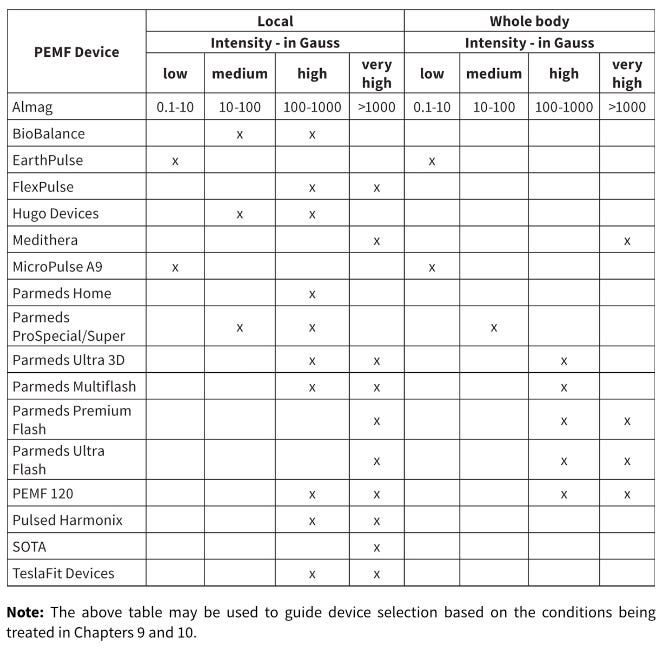
Part of the problem is that there are so many PEMF machines that comparing them is often apples to oranges. The following is not a complete list of available devices:
Conflicts of interest abound in the PEMF “space,” and the literature stuffed with marketing hype. As is usual for healthcare, companies must promote their products, and safety questions are often secondary to making money. As Upton Sinclair wrote, “It is difficult to get a man to understand something when his salary depends on his not understanding it.”
Pawluk seems sincere and is encyclopedic. However, his business model must be based on commission PEMF sales. Although he did not disclose this to me, such an arrangement could pay him thousands for each one sold. Similarly, company representatives must convince you to buy, or they lose their jobs.
Robert O. Becker recognized these issues in his 1998 book. He raises concerns about PEMFs possibly causing cancer and says:
Unfortunately, the trend is away from caution. By the time this book is published, tens of thousands of patients will have been treated with the devices, many as a first, rather than last, resort. At a recent orthopedic meeting, I learned that four more companies are hoping to market new models. Several have asked me to advise them, but I haven't found one yet that wants to embark on any serious research. Without such a commitment, I refuse to take part in any battle of salesmen.
Patients’ responses during therapy and recovery are the best index of safety and health and more reliable than corporate study data. The trials and stories I have seen show better sleep, a sense of well-being, and other significant improvements using PEMF treatments. I give more credibility to thousands of successful reports than to speculative dangers proposed by academics like Becker.
Dr. Pawluk recommended the powerful Parmeds Ultra Flash PEMF unit for me (HERE). He said to turn it up after an initial period of adjustment. He told me to figure out the dosage based on how I felt and said the cost included a couple of email follow-ups. I was concerned that I needed more supervision and had a vague anxiety that higher-power units like this might fry my brain. That thing costs $12,000—ouch.
After I contemplated the problem, I concluded that the risks of using a PEMF for Parkinson’s was lower than doing nothing. Patients like me already have significant brain damage at the time of initial diagnosis (yikes!).
How is my Parkinson’s? I am on weekly intravenous phosphatidylcholine (lecithin), which temporarily slows my tremors and clumsiness. They get worse when I do not use it. My symptoms are refractory to all other treatments I have tried, which is Rockefeller medicine jargon for nothing working.
The literature saying that PEMFs reverse Parkinson’s is scanty, though several lines of evidence are suggestive. The claims about slowing the disease are questionable because the process is so variable. The good news is that I found no evidence that PEMFs have ever created substantial or lasting injury in any circumstance.
Parkinson’s is a mortality warning light that makes each day precious and spurs me to learn and create while I can. I fly blind through clouds in an indefinite holding pattern high above an unknown, mid-ocean landing. Pieces of my airplane are falling off, but as Victor Niederhoffer wrote in The Education of a Speculator, “I have my resolve, and there are many things I can do.”*
* He wrote this in 1998 after he lost most of his $40 million during a short period of stock market trading. To continue, he mortgaged his house and is now, at 81, worth $100 million.
9. How to buy one of these things
The ARC Microtech: If you enter ROBYOH30 at checkout from https://arcmicrotech.com, you will get a £30 discount, and I will receive the same amount. If you want to become an distributor, contact the company directly.
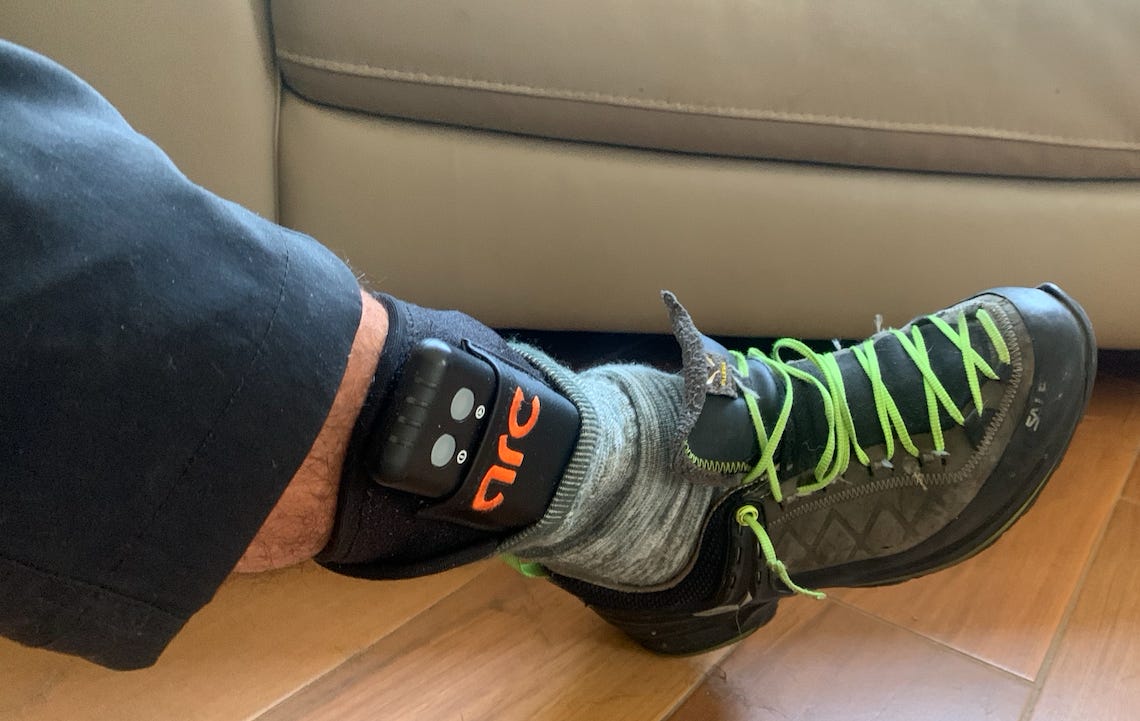

BEMERs are sold through their marketing system, and if you click HERE, you can use my affiliate account. My team, including Tamara Santa Ana, DC, will insure you understand your PEMF. If you want to join us and make money, message me.
BEMER Testimonials:
“In the four+ months I've been on our BEMER, the long-term inflammation in my joints, especially the fingers of my right hand and my right knee, are virtually gone. It has stabilized my blood pressure, so now it’s consistently in the optimal range, and it has nearly eradicated a 10-year skin condition on my face that none of the many dermatologist treatments have been able to help. There's more, but those are the top three things it has done for me SO FAR, and I couldn't be more thrilled!”
—Patti D.
“My husband had a stroke in 2016 and had had to nap almost every day since… until we got our Bemer at the end of September 2024. After twice daily use of the Bemer, he no longer needs the daily nap and reports that his evening “brain fog” has disappeared. We are very pleased to have him realize these improvements. —PL
Dr. Tamara Santa Ana, DC:
A year ago, I suffered a massive heart attack. I had just purchased the new updated version of the BEMER and used it for several months after this. My cardiologist later tried to place a stent, but he found clear arteries and asked me what moron told me I needed it. I had to tell him that he did. [NB: stents are only improve lifespan when used simultaneously with a ST-elevation heart attack, and not following recovery from the event.]
After I used the BEMER for five or six months, he said I no longer qualified for an implantable defibrillator and canceled the operation.
BEMER enhances micro circulation and oxygenation by 30 % and has improved my energy levels phenomenally.
It’s only eight minutes in the morning and eight minutes at night and I sometimes wind it around my heart or my head for more. I do not think I would be alive today without it.
Ten of my patients have purchased this PEMF and they all say the expense was worth it for how much better they feel. Yoho comment: Tamara also started chlorine dioxide during this period.
Other PEMF comments
An insider told me that Pawluk had a dust-up with BEMER over his commission percentage, so his opinions about this device may not be objective.
I would have become an affiliate for other systems if I believed they were as good as these two. If you disagree and want to order other machines, check with Pawluk or Meyers to see if they can get you discounts. Pawluk is available HERE, and Meyers is at 941-928-0124.
During my initial research, I became infatuated with Pawluk and bought a used ParaMeds Premium Flash unit ($9300.00 new) on eBay for less than half its retail price. It was an older model, but it was said to have durable, solid-state electronics.
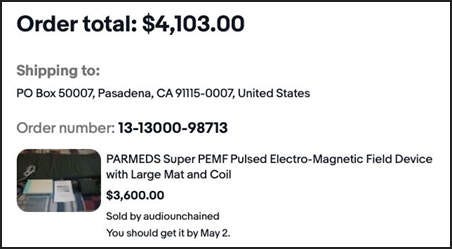
My wife Judy’s skepticism is legendary. She had a conniption fit when she saw the charge, and I feared for a moment she might stab me with a kitchen utensil.
When I realized Pawluk was promoting the misconception that more power was better, I had the post office send the thing back without opening it. EBay did not like this but I had charged it on American Express and will be able to claw the money back.
I am waiting for the refund and for Judy to clear the expenditure before I purchase my BEMER. Men fare poorly in domestic violence cases even if they are wounded by a kitchen knife.
10. Key background references
Summary of The Body Electric by Robert O. Becker (1998)
His famous book is the most credible and complete introduction to the human electrical nature.
Becker was an orthopedic surgeon studying how broken bones heal. He discusses regeneration in lower life forms and then compares salamanders and frogs. Salamanders were known to have limb regeneration capabilities, while frogs lacked this due to being higher on the evolutionary scale.
Becker suspected that electric fields played an important role in regeneration after amputation and mapped the electric potentials at various body parts during the process. The central body was positive, and the limbs negative. When a salamander or frog limb was amputated, the voltage at the cut changed from about -10 mV (millivolts) to +20 mV or more the next day, “the current of injury.” In a frog, the voltage would change to negative in about four weeks, and no limb regeneration would occur. In a salamander, however, the voltage would switch from +20 mV to -30 mV during the first two weeks, and then as the limb regenerated, normalize (to -10 mV) during the next two.
Becker found that regeneration improved when electricity was applied to the wound and that bone generates an electrical charge in response to mechanical stress. This stimulates growth at stress locations.
During the healing of a broken frog bone, Becker saw red blood cells in the fracture location become thicker, start moving like amoebas, and reactivate their DNA. He wrote: "We began to use an electron microscope to get a clearer view... At the end of the first week, the former erythrocytes had acquired a full complement of mitochondria and ribosomes [the organelles where proteins are assembled], and they'd gotten rid of all the hemoglobin. By the third week, they'd turned into cartilage-forming cells, which soon developed into bone-forming cells.
Becker was later able to observe frog blood cell dedifferentiation in vitro in an electric current. The current also enabled adult rats to partially regenerate an amputated limb.
He found that electricity from silver electrodes had two effects: A positive voltage was found to kill bacteria without disturbing bone regrowth, and silver with a negative voltage was found to stimulate bone regeneration without stimulating the growth of bacteria.
Becker discusses regeneration in various organs and parts of the nervous system. These capabilities were known to be best in the lower part of the animal kingdom, deteriorating for higher animals and weakest in humans. The propensity for getting cancer showed the opposite: it is common in humans but rare in the lower life forms.
Meryl Rose found that if cancer cells were placed in a salamander's amputation wound, they differentiated into the needed cell types. This showed a strengthened control of growth in the amputation wound.
Becker examined slow potentials and magnetic fields in the nervous system and considered external influences like earth magnetism and solar winds. He measured the electrical properties along the skin surface and concluded that the major parts of the acupuncture charts had a basis in reality.
He also discussed solar and lunar rhythms, animal navigation, the origin and evolution of life, and how changes in the earth's magnetism could have influenced these.
Becker saw how important electromagnetic fields were for life and was among the first people concerned about electromagnetic pollution. He recounts his experiences as a member of an expert committee evaluating this and presents research that indicates these effects are worse than officially assumed. He says the polluting industries warp the experts' choice of pollution limits. He compared the US with Eastern Europe, where the research done by scientists with more independence led to far stricter emission limits.
Closely related: The Invisible Rainbow by Arthur Firstenberg
Unbekoming’s book summary below adds more to these descriptions of human electricity. Subscribe to him HERE, and download it below.
Summary of The Pulsed Electromagnetic Field Therapy (PEMF) Book (2023), Second Edition, by Siddharth M Agrawal
Note: this is more favorable about Parkinson’s treatment.
Drawing on collaborations with medical professionals, athletes, and therapists since 2011, Agrawal presents an updated exploration of this noninvasive treatment modality for various health conditions.
He provides technical specifications for various PEMF devices, enabling readers to understand the practical aspects of this technology. These electromagnetic fields interact with the body at the cellular and molecular levels, modulating ion channels, influencing intracellular signaling pathways, and affecting gene expression. Such interactions aid tissue repair, reduce inflammation, and modify pain perception through neurochemical mechanisms, including neurotransmitter changes and brainwave entrainment.
Clinical Applications and Research Evidence
PEMF therapy demonstrates promising results across diverse medical conditions. In musculoskeletal disorders, patients experience pain relief, enhanced tendon healing, accelerated bone repair, and improved injury recovery. Neurological applications extend to Parkinson's disease, stroke recovery, peripheral neuritis, and spinal cord injuries. The therapy also shows effectiveness for psychiatric conditions, including anxiety, depression, obsessive-compulsive disorder, and post-traumatic stress disorder. Additionally, PEMF therapy addresses sleep disorders by improving sleep quality and regulating circadian rhythms, and it shows potential for skin problems, respiratory issues, stress management, and general subjective wellness.
Agrawal supports these applications with published clinical trials and case reports documenting improvements following PEMF therapy. The book offers practical guidance for selecting appropriate devices, recommends treatment protocols with specific frequencies, intensities, and durations, and suggests ways to integrate PEMF therapy with conventional medical treatments. Despite promising results, Agarwal acknowledges research gaps and calls for standardized protocols and additional high-quality studies to advance the field, particularly regarding home-based and personalized PEMF therapies.
Parkinson's Disease (PD), Sleep, and Sexuality
For PD, PEMF shows promise as a complementary treatment for both motor and non-motor symptoms. Clinical observations indicate improvements in tremors, bradykinesia, gait difficulties, and freezing episodes. Patients also report benefits for mood swings, cognitive dysfunction, sleep disturbances, and sexual dysfunction. The non-invasive nature of PEMF therapy makes it suitable for home use, and it has fewer systemic side effects than dopaminergic medications.
The therapeutic effects in PD patients involve modulation of dopamine pathways, neuroplasticity enhancement, and neuroinflammation reduction. Studies document improved neuropsychological test performance, increased activity levels, and better daily functioning following repetitive transcranial magnetic stimulation, a related form of electromagnetic therapy. Patients and their families observe subjective improvements, including faster reactions, smoother movements, and increased expressiveness. One case report describes a stage 3 PD patient experiencing marked improvement in motor symptoms, sleep, pain, and sexual function after PEMF therapy. Recent research highlights sex-specific differences in brain morphology and network connectivity in PD patients, suggesting the importance of individualized treatment approaches.
Sleep disorders frequently accompany Parkinson's disease, including insomnia, excessive daytime sleepiness, REM sleep behavior disorder, and fragmented sleep. These issues exacerbate cognitive impairment and diminish quality of life. PEMF therapy helps regulate sleep patterns and promotes relaxation, with clinical studies showing improved sleep quality compared to placebo treatments. The mechanisms include entrainment of theta and delta brainwave frequencies, reduction of brain hyperexcitability, and potential increases in serotonin levels. The book recommends continuous, low-frequency PEMF exposure during sleep to prevent disruption while cautioning against intermittent or high-frequency exposures that may negatively impact sleep architecture.
Sexual dysfunction presents another significant challenge for Parkinson's patients, often related to dopaminergic deficits and medication effects. Symptoms range from reduced libido and erectile dysfunction to medication-induced hypersexuality. Case reports document improvement in sexual arousal and spontaneous erections in PD patients following transcranial administration of AC-pulsed electromagnetic fields. The proposed mechanism involves the activation of dopamine D2 receptor sites in the hypothalamus, leading to increased oxytocin release and sexual arousal. Right hemispheric activation by PEMF may play a role due to its dopaminergic bias. The book notes that PEMF therapy requires careful monitoring in patients at risk for impulse control disorders, as its influence on dopaminergic circuits may affect patients differently.
Agrawal emphasizes the necessity for larger, controlled studies to confirm efficacy and establish standardized treatment protocols for various conditions. He predicts an increase in personalized and home-based PEMF therapies as technology advances.
Another reference
Understanding the healing power of pulsed electromagnetic field therapy by Sandra Moore.
Disclaimer
Read as many sources as possible and take this ride at your own risk with your eyes open. Although I am on the roller coaster with you, think twice before imitating me because I often change my mind as I learn more.
My final caveat is that if you enter the world of electrical healing, continue your studies of other modalities, too. Electrical currents are critical, yet still only a part of how our body functions.
Editing credit: Jim Arnold, Liar’s World Substack and Tamara Santa Ana.
To learn how to help me without spending money, read THIS.
Parting Shot: a list of conditions Dr. Pawluk says PEMF treats
From the Table of Contents of Power Tools for Health:
Addiction
Adhesions, abdominal
Alkaline Balance
Anxiety, Panic, and PTSD Disorders
Animal studies
Human studies - low intensity PEMFs
Human studies - high intensity
PTSD
Arthritis (Osteoarthritis)
Back pain
Bladder Conditions
Enuresis, nocturnal
Urinary incontinence and overactive bladder
Bone Healing and Repair
Bruising
Cancer
Cancer – Animal and laboratory studies
Basic mechanisms
Animal studies
Cancer and nitric oxide
Human studies (general)
Specific Cancers
Breast cancer
Head, neck, oropharyngeal cancers
Liver cancer
Lung cancer
Stage IV Cancers
Other cancer-related topics
Chemotherapy complications
Brain radiation therapy
Radiation damage
Pre-cancer
Millimeterwave or microwave resonance therapy
Chronic Fatigue Syndrome (CFS).
Concussion and traumatic brain injury (TBI)
Dental Issues
Depression
Diabetes
Erectile dysfunction
Eye conditions
Cataracts
Glaucoma
Fibromyalgia
Heart Conditions
Hepatitis, Viral
Intestinal Function
Joint replacements and implanted prosthetics
Keloids.
Liver Regeneration\
Lyme disease
Migraine
Multiple sclerosis.
Neuromyelitis optica (NMO)
Obesity
Osteopenia and osteoporosis
Pain management
Pancreatic Conditions
Paraplegia and spinal cord injury
Parkinson’s disease
Premenstrual syndrome (PMS)
Prostate hyperplasia - benign prostate hyperplasia (BPH)
Scleroderma or progressive systemic sclerosis (PSS)
Shingles
Skin Conditions\
Eczema and dermatitis
Fungal skin infections
Psoriasis
Sleep
Smoking cessation
Stroke
Testosterone
Tremor
Wounds
Abdominal surgery recover
Thumb re-attachment